


Fumigation is a highly effective pest control method because fumigant gases can penetrate deep into commodities and eliminate insects at all life stages, including eggs, larvae, pupae, and adults. As a result, fumigation is widely used for agricultural commodities, dried food products, warehouses, silos, and export cargo.
However, many businesses have experienced situations where, despite proper fumigation, gas concentration monitoring, and post-treatment inspections confirming complete insect mortality, insects are found in the products again shortly afterward.
This does not necessarily mean that the fumigation treatment has failed. Instead, it may be caused by what is known as Re-infestation, or the reintroduction of insects after fumigation.
What is Re-infestation?
Re-infestation refers to the contamination or infestation of commodities by new insects after the fumigation process has been completed and the warehouse, storage area, or container has been reopened.
In other words, the insects found afterward are not survivors of the fumigation treatment but rather a new population that entered the commodities after the treatment was completed.
Fumigation eliminates insects, but does not prevent future infestations
All fumigation methods—whether using Phosphine, Methyl Bromide, or Carbon Dioxide (CO2)—are designed to eliminate insects present in the commodities at the time of treatment. Once the fumigation process is completed and the gas has been ventilated to safe levels, no residual active substance remains to act as a protective barrier or repellent against new insects.
This is why commodities that have been successfully fumigated can still experience re-infestation if appropriate warehouse management and contamination prevention measures are not in place.
Five common causes of Re-infestation
1. Residual insect harborage areas in the warehouse
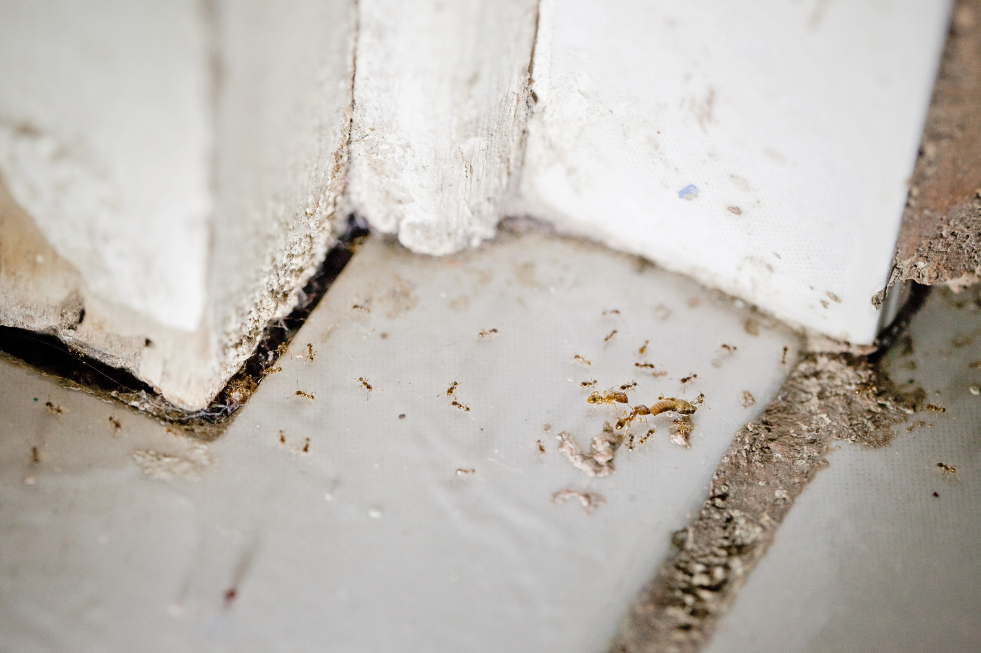
Stored-product pests often hide in cracks, crevices, and hard-to-clean areas where product residues accumulate, such as flour dust, grain residues, or debris around equipment and warehouse floors. These locations can serve as breeding sites and sources of future infestations.
2. Mixing newly received products with fumigated products
Newly received products may already contain insect infestations. Storing these products near or together with fumigated commodities can allow insects to spread and infest previously treated products.
3. Insects entering from outside the facility
Many stored-product insect species are capable of flying or moving into storage facilities from surrounding environments. This risk increases when warehouse doors are frequently opened, structural gaps exist in walls, roofs, or doors, or adequate pest exclusion measures are lacking.
4. Long-Term storage without adequate preventive measures
Fumigation is not a permanent form of insect protection. When products are stored for extended periods without appropriate monitoring and preventive measures, the likelihood of re-infestation increases significantly.
5. Leaking or contaminated shipping containers
For export shipments, re-infestation can occur when containers have structural leaks or contain residues from previous cargoes, such as plant materials, food dust, or insect eggs. These contaminants can quickly become a source of infestation for newly loaded products.
Effective measures to prevent Re-infestation
While fumigation is an important tool for eliminating insects, preventing re-infestation requires additional measures, including:
● Maintaining good warehouse sanitation practices
● Removing product residues and potential insect breeding sites
● Separating fumigated products from newly received commodities
● Monitoring insect activity using traps and monitoring systems
● Inspecting and sealing potential insect entry points
● Conducting regular warehouse inspections
● Performing thorough container inspections before cargo loading
Preventing Re-infestation begins after fumigation
Effective pest management does not end when fumigation is completed. It also involves proper warehouse management, container inspections, and continuous monitoring to prevent re-contamination.
SGT Service provides professional fumigation services, container inspection services, and practical recommendations to help prevent re-infestation, reducing risks during storage and international shipment.
☎ Tel: 0-2348-3355-9, 0-2105-4510
✉ Email: [email protected], [email protected]
 Tel. :
  Fax. :
  Email :